Virginia Home Grown
Fall Crops
Season 26 Episode 8 | 56m 46sVideo has Closed Captions
Discover why fall is for planting!
Visit a farm in Rockingham County to learn about growing pumpkins. Then, check out a home garden in Richmond for practical tips on growing vegetables in the fall. Engage with us or watch full episodes at Facebook.com/VirginiaHomeGrown and vpm.org/vhg. VHG 2608 October 2026.
Problems playing video? | Closed Captioning Feedback
Problems playing video? | Closed Captioning Feedback
Virginia Home Grown is a local public television program presented by VPM
Virginia Home Grown
Fall Crops
Season 26 Episode 8 | 56m 46sVideo has Closed Captions
Visit a farm in Rockingham County to learn about growing pumpkins. Then, check out a home garden in Richmond for practical tips on growing vegetables in the fall. Engage with us or watch full episodes at Facebook.com/VirginiaHomeGrown and vpm.org/vhg. VHG 2608 October 2026.
Problems playing video? | Closed Captioning Feedback
Where to Watch Virginia Home Grown
Virginia Home Grown is available to stream on pbs.org and the PBS app.
Providing Support for PBS.org
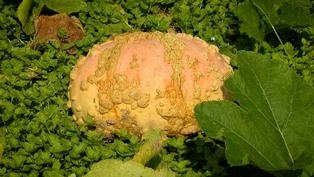
Learn Moreabout PBS online sponsorship(bright music) (birds chirping) >>The peanut pumpkin, which is that pinkish warty one, it's got a deep, dark flesh to it that cooks down really nice, perfect for baking, soups, that sort of thing.
And so are the Kershaw.
The Kershaws, they're a little bit lighter flesh, but they also eat very well, and that's like a squash variety.
>>Kale, collards, anything in the cabbage family, broccolis.
I also will grow turnips, carrots, so some root vegetables are also good for fall and winter.
And then honestly, Swiss chard is one of my go-tos.
It works any place, anytime, any season.
It's a really, really reliable garden plant.
(birds chirping) >>Production funding for "Virginia Home Grown" is made possible by Stranges Florist, greenhouses and garden centers, serving Richmond for over 90 years with two florist shops, two greenhouses and a garden center located throughout the Metro Richmond area.
Stranges, every blooming time.
And by Sally R. Youngs, in honor of the Grateful Deadheaders Resident Interest Group.
And by.
(birds chirping) (bright music) (bright music continues) (bright music continues) (bright music continues) >>Welcome to "Virginia Home Grown".
It's hard to believe the leaves are already turning color.
So as the season turns, we are talking about fall vegetables, some of the classics and some you might not have considered even growing.
From the garden to the landscape to wherever you grow, send in your questions at vpm.org/vhg.
We always enjoy hearing from you.
A little later, we will visit an urban garden to learn the season isn't over.
There's more to grow.
But first, Dr.
Robyn Puffenbarger toured the Pick-a-Peck Pumpkin Patch in Broadway with Holly Coffman to get tips on growing pumpkins and other fall gourds.
Let's get going.
>>Holly, we're here in the pumpkin patch with so many varieties.
I just don't remember as a kid having this kind of choice.
You went to the grocery store and it was orange and about the same shape and size, maybe a little bigger, a little smaller for your Jack-O-lantern, but there was not- >>The variety.
>>Warty, fun.
>>Yep, yep.
No, over the years, they have really started to evolve and selecting for those desired traits and things through cross-pollination.
And they've come up with some really, really cool varieties for folks to decorate their porches with.
>>Yeah and like you see this stacks.
I don't remember stacks.
I don't remember pumpkins that had that kind of flattened shape where you could do this and see all these great colors in just right up there.
>>Yeah.
And that's just a couple colors.
I mean, there's some bluish ones, some pinkish ones.
Yeah, the Cinderellas and the blue dolls.
All of those are really, really popular.
>>And then you have things like this.
Are these gourds?
>>Yes.
Yep.
So this is a lunch lady gourd.
So probably a lot of people remember them being a little bit smaller, but these are like the extra, extra large and these are so cool.
But yeah, the gourd variety has really changed also just, you know, from when we were little.
But yeah, so those, you wouldn't want to eat those.
That's not a good variety to eat.
Those aren't very fleshy.
>>So don't save those for after.
>>Don't save those.
You can dry them out and paint them or something, but other than that, no.
>>And the little ones, they're so cute.
There's like this whole variation.
I mean, 'cause like the classic pumpkin, this is what I remember as a kid.
>>Yeah.
>>That's the kind of pumpkin you got to make your jack-o-lantern.
>>The typical jack-o-lantern, yep.
>>And maybe we would scrape some seeds out and toast those up and eat those and enjoy that.
>>Yep and you still can with those.
And some of the other varieties make, you know, for good dried seeds.
>>And then, oh, this yellow, that is spectacular.
>>Mm hmm.
>>I just don't remember a yellow pumpkin ever until much more recently.
>>Right.
Yep.
And I've got some that are also kind of like a buckskin color that are this similar shape and size.
And like I said, the options and varieties are endless anymore.
>>When we were chatting, I was thinking to myself, when I, you know, pick my pumpkin that I'm gonna grow, 'cause I'm going to maybe grow some for some pumpkin pies or maybe some pumpkin soup, pumpkin bread.
I would have never picked this.
I would have always gone for the little pumpkin pie pies and the sweeties, but I had no idea that the peanut variety was gonna be a good choice for me.
>>Yeah, no, those are excellent.
It's a deep dark orange flesh that bakes down and cooks down really nicely and smooth, and those make perfect pumpkin pies and baked stuff in soups.
And so do the Kershaws, which is right next to it, which is a little bit of a lighter flesh, but also bakes down really nice.
And that's the squash variety of pumpkins and stuff.
>>I would have never guessed that don't get my little pie pumpkins, get one of those and my family.
Oh, and then here's another stack with the great colors showing up.
>>Those are very popular.
The Cinderellas, fairy tales, all, like I said, the blue dolls, all those are so popular for stacking.
>>So at home, I would be planting the pumpkins in little hills like I do my squash, but I'm suspecting you don't have quite that kind of labor intensive planting.
>>No.
>>How do you prepare for this kind of volume of pumpkins?
>>We have a spray company that comes in and they spray and kill all the weeds or anything that was starting to grow that spring.
And then we come in, we have a pumpkin planter and it puts the seeds in.
It spaces them out however far they're supposed to be planted every four feet.
And I believe it's on a two foot center.
So we come in, we do that, and then from there they take off and start to grow.
>>So how many seeds does it take to plant a pumpkin patch of this size?
>>Well, it depends on which variety you're using, but typically for this size patch, we're looking at five to 6,000 seeds.
>>Wow.
>>Yeah.
>>And so does that take buying from different companies to get all the different kinds of colors and shapes and sizes?
>>You can.
I typically buy from one specific company, but if they have a variety that I'm looking for that they don't carry, I'll go searching elsewhere for 'em.
>>And so all of them are going to grow to about the right size in that amount of time.
It's not like some of 'em take a whole lot longer than others.
>>Some varieties do, but with when we plant until we're open for folks to come in and start picking, usually they reach maturity by then.
If you go out there, you'll still find some little itty bitty ones, but those won't turn into anything anyway.
But yeah, so.
>>I did notice there's still a lot of flowers.
And so we haven't had our first frost, so they're still open and there are a lot of bees.
So these all require pollination from bees.
>>Yep.
That's how we get our pumpkins.
If we don't have our bees, we don't have any pumpkins.
So they play a big role.
>>Now, do you have to bring bees in or just the native bees and whatever honey bees are locally around, is that enough?
>>Yeah, typically that's enough.
Now we have ran into where we felt like we didn't get a good pollination and we had though about getting our own hives, but I'm not confident enough to take on that other thing.
So we're just gonna rely on other folks that have their hives and the native bees.
>>So how do people respond when they get to the pumpkin patch and see all of these varieties?
>>You know, you would think that it would just be the children that were the most excited, but I've got adults that are coming in there and when they come back out, they're so excited 'cause they found this really weird warty one or just this unique color.
So there's a lot of excitement coming into the pumpkin patch.
>>Yeah, I feel like it's like a treasure hunt.
No matter how many times you've done it before, you're always gonna find something a little different, a little new.
>>Yeah, definitely, 'cause like I said, one year they might be a certain way and it could be the exact same seed, but next year they look a little different.
>>And so when people are carrying them out, how are they using them?
They just kind of stacking them up like they see your decor here?
>>Oh, I'm sure.
Yeah.
But you know, the accessibility to the internet has opened all the possibilities and ideas for folks to decorate with.
But yeah, a lot of stacking pumpkins, we offer straw bales so then that they incorporate those straw bales and stack and arrange and all that stuff with them.
>>So if someone wanted to try to grow some pumpkins at home, what tips and tricks do you have for how to do this successfully?
>>Well, pumpkins like water, so you need to have a, well, they need lots of sun, so a nice sunny area.
A well, I guess drained soil type is best because they like water, but they don't like too much water.
If you get too much water, they're gonna rot on you.
So making sure they're well watered, but not too much.
And make sure that they're getting pollinated by the bees and they get some fungus on the leaves like powder, mildew and stuff.
So you might have to get some different sprays or something to keep that and like the squash beetles away and stuff.
But those would probably be the top things to look for when you're growing your own.
>>So you just mounded up the dirt up a little bit and put a few seeds in and see how it goes.
>>Yep.
Yep.
>>Excellent.
Well, thank you so much, Holly, for having us here to the Pumpkin Patch.
>>You're welcome.
>>It's just been gorgeous today and what a fun treasure hunt.
I can't wait to pick some pumpkins this fall.
>>Well, thanks for coming.
>>I don't think I could pick just one pumpkin from that patch.
What an amazing variety to choose from.
I mean, it just looks so yummy to me.
So Chris, what do we have here?
>>Well, today we're gonna make some pumpkin snicker doodles.
They're vegan and gluten-free because pumpkin is a great egg replacer.
>>I never thought about that.
>>Yeah, you know how you use applesauce or banana or something?
Pumpkin can do the same thing.
>>Oh, wow.
>>Yeah.
It's mostly about adding moisture into your cookie dough.
So the eggs add moisture and fat and proteins as well.
But when you're doing a simple sugar cookie like this, you can easily make that substitution.
>>So how do you do that?
Please share.
>>Well, like how most cookies start, we do with the creaming method.
>>Right.
>>So you have your sugar and your fats.
This recipe has shortening in it 'cause it's a classic Mexican pulveron, which is like a powdery cookie.
>>Okay.
Okay.
Yeah.
>>So we'll get that going first.
>>Mm hmm.
>>I'll bring up the speed.
>>How long do you mix it for?
'cause I know a lot of people over mix.
>>You do about one minute on this creaming method, but we are getting that fluff factor already.
>>Okay.
>>So we're looking for some fluff.
>>Yeah.
Yeah.
>>So we want it fluffy.
We don't want it floppy.
>>Yes, so we've got some fluff and here we have our pumpkin puree.
>>Oh.
>>So this pumpkin puree we'll add in to our sugar and our fats.
>>How did you make that puree?
'cause I know you made it.
>>Yeah, we did.
The best way to do it is to like poach it.
So you poach your pumpkin and like when you're making mashed potatoes, you want the pumpkin to be fork tender.
You cut it into about a one-inch cube.
>>Yes.
>>And then you put it into a food processor or a blender.
>>Okay.
>>We use a blender 'cause we want it really smooth.
>>Yes.
(machine whirring) >>And then again, you blend it until it's just all blended up again.
So you'll fully incorporate your pumpkin puree, scrape down your bowl.
>>Right.
And the reason being is people don't realize how much just rolls up those sides and you want to get everything down and in.
>>Mm hmm and the bottom of the bowl can be really tricky.
Sometimes you find a whole mess of stuff from your previous steps.
>>Yes.
Yes.
Particularly at the end when you're putting it in the pan.
Mm hmm.
>>Yes.
>>We'll give this one more.
>>Uh-huh.
>>Now it's fully incorporated.
>>Okay.
>>And this is where we add in our dries.
And at Florosa, we have a freeze dryer 'cause we're a little bit nerdy over there.
>>Nice.
>>We put our pumpkin puree into the freeze dryer.
It processes in there for about 16 hours.
It'll get light and fluffy, and then we'll put it into a Vitamix or a blender to make sure it gets to a powdery point.
And we'll use some of that, like powder to replace some of the flour to really make it like a pumpkin cookie.
>>That adds so much more flavor.
I can only imagine.
>>Totally.
There's definitely some depth.
>>But the freeze dryer, you're putting it onto a thin sheet and putting it into your dehydrator.
>>So each of the freeze dryers come with trays and you do about a quarter inch thick and that will be just enough without having any mess.
>>Okay.
>>So we'll add in our drys.
>>Right.
>>Make sure that all gets in there.
And this is where we talk about not overmixing.
>>Yes.
>>Yes.
It's the gluten and if you wanted to use not gluten-free flour, your protein would overdevelop.
But in this case, we just want to make sure that all of our dries are completely incorporated.
>>Okay.
>>And sometimes I'll pulse it at the beginning 'cause you don't want your flour to fluff up.
>>Yes.
And then you have a kitchen to clean up.
>>I know.
>>Not that I have experience in that.
>>I've never done that before.
(both laughing) >>Neither have I.
>>No, of course.
>>Never.
>>All right and here we go.
>>But you're just mixing it so it's well mixed.
>>Mm hmm, you just want it fully incorporated.
And you see how that color blooms?
>>Yes.
Oh, that's gorgeous.
>>That is really in part because of that freeze-dried pumpkin powder.
>>That is amazing.
You know, I freeze-dried garlic and onions, but I don't.
I'm gonna try pumpkin next.
>>Oh, it's fun.
You can do it with a lot of purees.
>>Yes.
So what's our next step here?
>>Our next step here, not currently on hand, but we do have some cinnamon sugar.
So we'll scoop the cookies in the size we want them.
>>Right.
>>We'll toss them in cinnamon sugar and kind of pat them back and forth and make them like little hockey puck shapes.
>>Correct.
>>And you can put it in the fridge of the freezer until you're ready to bake.
>>All right.
>>And we bake ours at this size.
The hockey puck is about this big, and we do it for eight minutes, rotate eight minutes in a 350 degree oven.
>>Oh, that's good.
And then when you take it out, what do you do?
Do you let them cool or.
>>I won't tell if you eat them warm.
(Peggy laughing) You can let them cool.
You can eat them warm.
>>Do you put more sugar on them is the question.
>>Oh, we do.
Yes, we do.
We absolutely.
So we will sprinkle a little bit more sugar right before they go in the oven, so that way we get the little sparkle on top.
If you don't do that step, it's okay, but I like a little sparkle.
>>Well, a little sparkle goes a long way, plus both beautifully as a presentation, but also as a lovely flavor additive.
>>Absolutely.
>>Yes.
So tell me though, can you freeze those cookies too?
And if so, how long?
>>I would say you could probably put them in the freezer in an airtight container or plastic bag for anywhere between from a day or two, but then up until about six months.
>>Okay.
>>Longer than six months, things get a little iffy.
>>Right.
And they've got to make sure, we all know if you've thrown something in the freezer quickly, it's always best to really package it well.
>>Yeah, wrap it tight.
>>Yes.
So that all of that air and such will be able to not burn or destroy the cookies.
>>Totally.
>>Yes, Chris, this is amazing.
I never thought about freeze drying or even drying pumpkin puree and then using it as a flour substitute.
What a great idea.
>>I'm all about packing in the flavor.
The more we can like really drive that in, you've got to get it in where you can.
>>Ah, this super idea.
And thank you for explaining it in such detail.
>>Thank you.
>>I think I'll be baking some this weekend.
And now we're going to go back to the pumpkin patch with Holly to answer questions that you've sent in.
Remember, you can submit your gardening questions anytime at vpm.org/vhg.
(birds chirping) >>Thank you, Holly, for taking time to answer some of our questions from the viewers.
And Terry would like to know, are all pumpkins edible?
>>Yeah, for the most part I would say they're edible, but there are definitely varieties that you would want to steer more toward for baking and soups and that sort of thing.
Like the peanut pumpkin, that's an excellent choice, and the kershaw.
But like your typical carving pumpkin, you can eat it, but the texture's going to be a little more gritty and grainy and maybe the flavors aren't quite there, the desired flavors, like a canned pumpkin that you purchase out of the store.
>>Yeah, I remember my mom kind of making that mistake one year, and we got very grainy pumpkin that was not nearly as good in the pies as, so she went back and bought cans until we figured things out.
>>Yep.
>>So another viewer would like to know, what do you need to grow a giant pumpkin?
I have this question too, because I see those every so often and I'm like, how in the world did they make that happen?
>>So I have not ever grown one myself, but I have read that for growing such large pumpkins, basically it's a variety of a pumpkin, a variety of a pumpkin, and you plant it, grow it just like you typically would, but you only leave one pumpkin on the vine and you break all the other ones off, and you make sure that that one pumpkin, the flower that's on there gets pollinated and then they basically baby it from there.
There's different ways of making sure that it doesn't split and all this.
There's a lot of time involved with it.
>>Wow, I had no idea.
I figured it was just a particular seed and you just had to find the right one.
>>Yeah, yeah.
>>So it's not as easy as it looks.
>>Right.
>>And so we also have a question about are the white pumpkins new, and where do they come from?
>>So white pumpkins are a newer variety.
In the '80s and '90s I'd say is when they started to really gain popularity.
But through selecting certain variety, you know, on the vine, they would see one that would be desirable color, and then from there they would just genetically change it and select for a lighter skinned pumpkin.
>>Wow, that's so neat that that whole pollination thing still is really important.
And then what type of pumpkin would you say is the easiest to carve?
I'm guessing those stackable pumpkin ones are not very good.
>>No, because their flesh, they're very, very thick.
So you would really, really have to work and possibly lose a finger because you're really sawing away.
But yeah, your typical Jack O'Lanterns, those are your best option for carving.
>>Okay.
And then what is the best type of pumpkin for cooking like a pie, Pam would like to know.
>>Okay, well again, that peanut pumpkin, that's the best one that I have found from trying the varieties that I plant.
Your Cinderellas are pretty good too.
A Fairytale pumpkin, they make really a nice option as well.
>>Okay.
So Ken would like to know, how do you avoid pumpkin viruses that damage the leaves?
Is that what's damaging the leaves, a virus?
>>It's a fungicide, or a fungus.
So we apply fungicides to prevent the moldy mildew, which is that white powder that gets on the leaves.
So we work with a spray company, they'll come out and they apply fungicides to prevent that damage to the leaves.
>>Okay, so it's a fungus, not a virus.
And then how long does it take to grow a pumpkin to maturity?
>>Well, that depends on the variety.
Some varieties might be 80 couple days and then some of them are 115, or maybe even longer.
So we plant them in the middle of June, and by the middle of September, most of the time they're ready for you to pick.
>>Okay.
Well, thank you so much, Holly, for taking this time with us to answer these questions from our viewers.
>>You're welcome.
(rhythmic music) >>As the growing season comes to a close here at Florosa, we're making sure to wrap up all of our fall harvesting, which for us includes roselle and lemongrass.
We grow as much roselle as our space can allow.
I think we have about 10 plants in the garden currently.
And it grows all year as a shrub, and then once the days start to shorten and the night start to lengthen, it starts to cool down, it begins to flower.
And they're beautiful flowers and they're beautiful to look at, but what we're waiting for is the calyx that is below the flower.
So here you have a flower that's about to bloom, and then we have a flower that has been spent.
And what we're waiting for is for that spent flower to shrivel, and then we'll pull that bit out.
And what we want is the calyx, which is this part here.
We'll harvest a bunch of these, and we'll peel off the hibiscus, the roselle, or in the Caribbean, as it's called, sorrel.
And this is the part that is made into tea, or we turn it into a little jam.
It's punchy like a cranberry would be.
Hibiscus benefits from full sun and rich soil.
Therefore, you want to make sure you're amending it with compost or fertilizer so that way your hibiscus is able to produce the most flowers and also the most calyxes possible.
Second, we have our lemongrass.
We start them in the spring, and then once it becomes fall, lemongrass does not survive the frost.
Once we know that that date is approaching, it becomes harvest time for lemongrass.
In Chinese and Hmong cultures, all parts of lemongrass are used, from the leaves all the way to the stems.
Make sure to wear gloves.
The leaves are sharp and they will cut you, kind of like a paper cut.
So you'll go to the base of your plant and look for a thicker stem.
You'll go down to the base of the stem and break it off, or it can be encouraged with a sharp pair of pruners.
There we go.
So I have the little stem here, which really is difficult to use so I'll end up composting this.
The bottom part, which is like the juicier part that ends up getting used in lots of cooking, we'll trim and keep.
And then the remaining stem we'll fold onto itself.
So you create one fold, a second fold, and now we get more into this leaf part.
It also can be helpful if you harvest all your lemongrass and let it wilt just a little bit, these leaves will bend a lot better.
But for now, since we're doing it, we're going to do it fresh.
It's possible, it's just a little bit more difficult.
So you have your two folds and then you begin to wrap.
So you wrap around your stem, moving down.
(leaves crunching) And I like to tuck my thumb right into the last loop, which in this case, I'll take off my gloves to do this final thread through.
So you pull the remaining leaf through the loop and you pull it tight, creating this lovely little bundle.
It's perfect to go into your stock.
And it's really great because we store these in the freezer that we use to infuse into our rice pudding, into tres leches liquids.
It's just full of flavor, and there's no use in wasting it.
If you didn't plant lemongrass this year, make sure to next year, because there's so many parts of this plant that you can use.
Good luck wrapping up your garden this fall.
>>Yeah, Chris, I love those little bundles.
It's a smart way to store that lemongrass.
But how long will they stay in the freezer?
>>I mean, we use them until they're ready the next fall.
That's like our year's supply.
We harvest our year's supply of lemongrass in the fall and we put it in gallon baggies.
We got about four gallon bags this year, maybe five of both stems and leaves wrapped.
>>Fantastic.
And tell me about the roselle, because that was a little on the small side.
I know it's early in the season.
>>Absolutely.
That's the earliest you can harvest them, and I'll start working on them because they get big really quick.
I try to stay on top of it.
And so the seed pod will begin to expand, and you can harvest it when it's bigger as well.
>>That's fantastic.
Love that stuff.
Well, next we'll take a look at my visit with Phaedra Hise in her small space garden in Richmond's Oregon Hill neighborhood to see how she extends her garden into the fall.
Let's get going.
So Phaedra, we're here in the fall, and yet you've got so many vegetables growing.
>>Yeah, this is a transition time where I've got my new fall things coming in, and then summer things like this tomato are on the way out.
>>And people don't think about that fall garden can be a transition time, but then it definitely moves on to fall.
>>Mhm, definitely.
And we'll be eating from this garden all winter long.
>>See, that's great.
And how do you pull that off?
>>Well, I do a lot of different things.
I make sure that I get my fall plants in early while I'm still eating from my summer green beans, onions, lettuces, arugula.
And so the fall plants are growing as the summer plants are kind of winding down.
>>And when you say early, are you thinking early August, or?
>>Late August, yeah, mid to late August.
>>Okay, okay.
I see a small space here, and it's very tightly planted.
Some people are intimidated by small spaces.
So what's your approach?
>>Close planting, especially for leafy greens, which I tend to grow a lot of like lettuces and arugula, it's called intercropping.
When you plant something small or seeds even underneath a larger plant that has got a little bit of life in it, but it's going to be going out soon.
And by the time that happens, your new plant has come up and they can share that space.
>>Plus the old plant will shade a little bit because of the heat of the summer.
>>Exactly.
And when you're talking about August in Virginia, I mean, honestly, one reason I love fall gardening, the summer now with global warming is just too hot.
Everything dies in July and August.
So honestly, September is a really nice time to start bringing the garden back to life.
>>Truly, truly.
And some of the choices you have here, you were saying that here in this garden in front of us, a small raised bed, you're having problems with enough sunshine.
>>So we're in the city, I'm in Oregon Hill, and I get barely six hours of sunshine a day here, which is really a hard cutoff point for vegetables, especially fruiting vegetables.
They need a lot of energy from that sun.
So here I have more success with leafy greens.
And so I grow kale, collards, lettuces, arugula, chard.
When I do want to grow a fruiting vegetable like a cucumber or a tomato, I go vertical and I send everything up so that it gets more sun as it gets higher.
And then I can have flowers also interspersed in the lower area, and they're not competing with the vegetables.
The vegetables have gone up and they've got that space up high.
>>But you do have a full sun area here, you were mentioning, in the front of your house.
>>I do.
In the front, it's southern exposure.
It's full sun.
And so I have put an asparagus bed up front.
I grow arugula up front.
I have a lot of Italian herbs, which love a hot, dry environment.
So I take advantage of that where I have it.
>>But let's swing it back to this bed here in front of us.
What are some of the practices that you've taken on to extend this through the winter?
>>You see the hoops here?
One thing I do is I will put an insulating cloth.
It's a white lightweight fabric.
The snow will hit on it, the hoops keep it from collapsing onto the plants.
And that creates a little bit of a microclimate that's a little warmer than the area out here.
So they will thrive really well in that space.
>>Yeah, and knowing that you have shade trees around here will have no leaves on the trees, so you actually get more sun to this space through those winter months.
>>In the winter, absolutely.
And one thing that happens, if I get something in late and it doesn't grow quite where I want it to be in the fall, what does happen is in February, it really takes off, because as you say, there's no leaves on the trees.
The days start to lengthen, and so my collards and my kale will just explode.
And so I have something to eat.
>>So you're filling in that gap.
>>The hungry gap, they call it sometimes, yeah.
I have a lot of stuff that happens during that time.
>>For soil amendments, I see the compost bin.
How much do you do here in the city to adjust the soil?
>>It's one reason I have a raised bed, because when you're in the city, you don't always know what the soil composition is.
So I like to go up.
I put compost on once a year, usually in the winter, and I will just let that, a couple of inches of compost on the surface and I just let it go in.
I don't dig, I do no dig gardening.
I want that soil to build a really nice network of mycorrhiza in there so that everything is happy and getting nutrition.
So yeah, once a year putting an inch or two of compost on top.
>>But the beds along the driveway, they are not raised.
>>The driveway beds closest to the alleyway, I don't grow vegetables actually because of that.
And because the alleyway is a very busy alleyway with a lot of traffic, there's car exhaust that comes in.
Generally, I like to be 10 feet away from an active road surface.
Closer to my garden, I actually do know the composition of that soil because it used to be part of my driveway.
We shifted the fence, and so I knew what that soil was like, I tested it, and so I'm comfortable growing vegetables there.
>>Fantastic.
And then I see at the end of your driveway here, you have a beautiful fig.
>>The fig, thank you.
>>How are you able to pull that off with that marginal sun?
>>So the fig is in a location where it also gets morning sun.
And so the fig, which does like a lot of sun, is pretty happy here.
And then the second thing I do to maximize the sun exposure is I espalier the fig, which means I'm pruning it back pretty hard to be a couple of minimal cordons that go out sideways.
And what that means is there's not a lot of growth of existing branches blocking sun to those few branches that come up with the figs on them.
So it makes sure that what little sun there is, is really concentrated on the fruit.
>>Excellent.
That's an old tried and true method.
It's been around for centuries.
>>Right, right.
>>A way, particularly in colder climates, is to get fruit trees to grow with a warm wall.
>>Against a warm wall.
Exactly.
And it takes advantage of space, which in the city I have very little space.
And you can really do it with any fruit tree.
You can do it with ornamental trees.
I've seen it done with magnolias where it looks absolutely beautiful.
It's just a great way to take advantage of space and get more sun.
>>Absolutely.
What type of advice would you give, not a new gardener, but even a seasoned gardener for growing in small spaces?
>>Yeah, we have a very, I'm in Richmond City, and the space is very, very small.
A couple of pieces of advice.
One is to go vertical.
I definitely try to go vertical as much as I can, because it takes less space and the plant will get more sun as it gets taller.
So I use trellises for that.
The other thing is you may not know what happened in the soil in your space, and so soil testing is really important so you can identify the nutritional value of the soil, the pH of the soil.
But also you don't know the history of that space, especially in an urban setting, and so I do a raised bed.
And I compost once a year in the winter.
And then the other piece of advice that I give people is honestly just try it.
Like, it takes maybe two or three years for you to get familiar with your space and to understand what performs well in that space.
For example, the sun is a big issue.
You absolutely need to know how many hours of sun you get for that space.
And ideally, you want to know what direction the sun is coming from, because what plants really want is morning sun and then some afternoon shade.
So six hours of morning sun and then a nice cool afternoon, just like a person would want, that's what they want ideally.
If that's not what you have, you can still make it work.
It's not what I have here.
I have a lot of afternoon sun and I still can grow a lot of leafy green vegetables.
But know the sun in your space and then just give it a shot and try things.
>>That's fantastic.
Well, Phaedra, I appreciate you showing us your beautiful garden here.
And you know, so many people can garden in a small space.
They just have to kind of expand their imagination a little to be able to figure out where they can fit plants here and there so they can have wonderful, healthy vegetables that they grew to enjoy.
>>Exactly.
We eat out of our garden every single day.
>>See, and that's a joy.
Thank you.
>>Thanks so much for coming.
>>While many gardeners consider the season over, Phaedra gardens through the winter, and I hope you picked up a few tips to follow her lead.
And now, Chris, I've brought some bulbs as well as a lot of other, I'll say, storage devices of plants, 'cause we have a habit of saying bulbs and it encompassing a whole lot when actually there are certain plants have certain storage devices.
So let's start with the potato because that's really the most common.
>>Totally.
>>Everybody can relate to a potato.
And usually what we don't want it to do is what mine are doing right now, which the eyes on it are sprouting.
And then there's various eyes throughout the potato, which makes it a stem.
>>Mm-hmm.
>>All right?
And so once these eyes start to sprout and grow, then the roots will start to grow off of that, which is why you can cut this into a little cube, put it in the ground, and the eyes will sprout into a shoot and then the roots will come on.
So this is technically, as with a lot of what's on this table, a modified stem that is storing energy for the plant.
>>And remind me, when you cut off each of the eyes, can you put it directly in the ground or does it need to dry out a little bit?
>>I dry it out for a day- >>Okay.
>>Or two so it calluses.
>>Okay.
>>And I make sure I also have at least an inch.
But yeah, isn't that kind of cool?
>>That is exciting.
>>It's a storage device, okay?
Now, we all love caladiums, at least Peggy loves caladiums.
(laughing) I love all the various colors of the leaves, but way down in there, which enables it to grow with so many, I'll say shoots coming out is because it's a tuber, like a potato.
>>Which is a series of eyes.
>>So all those eyes are sprouting to make this beautiful plant.
>>Cool.
>>Isn't it cool?
>>It is.
>>You know the reason why, it starts to make sense.
Sorry, little plant.
But then we move on to what I call our true bulbs, okay?
And the easiest one to think about is the onion.
And classically, we all cut our onions up for food, all righty?
And we see that little shoot in there and that's the true new growth that's coming up, the new shoot within there.
And every true bulb has a shoot and then it has scales or leaves and then it has the outer coating to it.
But it also has what's called a basal plate, which is where the roots come from.
So guess what?
This is a stem 'cause the roots don't come out until the bottom.
>>Oh, wow.
>>Okay?
>>And that starts turning green.
>>Yeah.
>>Sometimes.
>>Sometimes, yes.
But what we want to do is make sure, of course, that our basal plate is down, pointing down.
>>Hmm.
>>So that we have the most efficient growth.
If it doesn't, it's okay.
>>Especially if you're starting with the little onion starts.
>>Truly, very little onion starts.
But we also have ornamental alliums, which of course alliums are onions.
So there's our basal plate.
I didn't cut this one, but I just wanted to connect people to our ornamental allium.
Alliums are an allium, they're an onion.
But things that are so common to us, okay, which are daffodils, all right.
Let's look at that daffodil.
There's that basal plate.
>>Totally.
>>And there's the shoot, our tissue cover.
And if I were to cut this, you would see that small little piece of new growth inside of that true bulb with all of the layers, just like the onion I showed.
>>Mm-hmm.
>>And the same with, believe it or not, our tulips.
There's our basal plate again.
Okay.
>>Yeah.
>>And that basal plate is so important for the roots to come out.
So you want to make sure it's down and then for the shoot to come up.
>>Mm-hmm.
>>Now, I'll be honest, I throw these in the ground and they all bloom at the same time.
I've done experiments on that, but it really does come up faster and easier for the bulb if it's planted pointed side up, okay.
Another one we have here, a plant that not everyone is familiar with, but it's called a puschkinia.
It's a scilla.
It's a tiny little thing, but there it is.
It's a true bulb.
There's the basal plate.
Here's our bulb and there's our shoot where it's going to grow up at the top, all right?
>>Where would you suggest planting those?
>>I plant all of these in sunshine.
There are some daffodils that take partial shade though.
>>Hmm.
>>And the nice thing is don't get obsessed about planting them too deep because true bulbs actually have a retractable root that will pull the bulb down to where it needs to be.
>>Whoa.
>>Which is why if you've ever planted tulips and then all of a sudden when you go to dig them up in the spring, they're deeper is 'cause the bulb pulled it down to where it needed to be.
So I just put them at four inches and let the bulb do the work.
>>That's amazing.
>>Yeah, so much easier.
>>Sometimes it's hard to get deeper in the dirt.
>>Yes, exactly.
Well, let's move on 'cause we're running out of time.
There's also corms and we've all love our wind flowers, our anemones, okay, but we also love our crocus, all right.
And crocus are corms.
And corms actually, yes, it's another type of modified stem 'cause we have a basal plate down here and we have a shoot that's up here, but they're a little different.
They actually grow one on top of the other.
So this next year will disappear and a new one will be on top.
And I have an example of it right here with my calocasias, my elephant ears.
This was last year.
Here is this year's- >>Wow.
>>Coming up for next spring, all right.
It's coming to bed.
And like everything else, it propagates itself with side little cormlets on the side.
And here's an even bigger version with even more that are sprouting.
>>Wow, that's how those patches get so big.
>>Exactly.
>>Wow.
>>And then my final one, of course, are the rhizomes, which iris is a perfect example.
And this, of course naturally, is a modified stem.
You can actually see that the stem goes down and continues.
This is the flushy storage area, but the roots come off of it.
So this is a stem and here are the roots.
>>Oh, wow.
>>So when you plant this, you want to put this at or just below soil level 'cause you don't want to bury your stem.
You don't want it to rot.
>>And your stem, will it travel across the ground?
>>Yes, it will.
It will.
>>Ah.
>>And here's last year's right here and here's this year's.
And when you go to divide Iris, you take off basically the old ones and you replant the fresh young ones.
>>Wow.
>>Now this, of course, why do I have a bloom on my iris?
Because I have repeat blooming iris and I unfortunately dug one up, which made me sad, but a good example to show everybody.
>>Mm-hmm.
>>All right.
Real quickly, we do have a rule breaker.
We have renunculus, which actually are corms, but they're a little weird in that these tiny little, I'll say root-like structures are not truly roots, but they're being corms, they're fleshy stems that hold energy and the roots will grow from the tips of those.
And of course up here is where the shoot will come.
>>Wow.
>>So I mean, it's fun, but the plant world is so varied and we generally throw around terms of tubers and bulbs so easily and freely, but then technically, in detail, there's differences, but that just makes it interesting.
>>Absolutely.
>>Yes.
>>And all the more to learn.
>>All the more to learn.
And next we're going back to Phaedra to answer the questions that you've sent in.
Remember, you can submit questions anytime at vpm.org/vhg or on Facebook.
We always enjoy hearing from you.
Well, Phaedra, let's start with our first question.
It's from Terry.
And the question is, do freezing temperatures mean the end of the fall vegetable garden?
>>No, absolutely not.
And that's because you can manipulate the climate of your garden bed with row cover.
>>Mm-hmm.
>>So I put hoops in my garden and then in the winter I put a heavier row cover over that.
Usually you can find it in garden stores.
Usually it's white.
And heavier winter weight has a texture to it, like a flannel- >>Yes, mm-hmm.
>>Kind of feel, a nap to it.
So I'll put that on in the winter and most fall crops will go right through the winter.
>>Yes, and I tuck it around to make sure I secure it.
>>So the wind isn't blowing through, right?
>>Mm-hmm, it's its own little environment.
But there's also row covers for spring and for summer that are out there.
>>Yes, exactly.
And I will leave my hoops up pretty much all year round.
And so in the spring you can put a lighter weight, like a transparent mesh type row cover, and that helps protect against insects and also just creates a little bit of warmth if there's an early freeze.
And then in the summer I put shade cloth up.
>>Right, something to help block that intense summer sunshine.
>>Right.
>>The heavy heat and sun.
Yeah.
>>Particularly through July and August.
>>Right.
>>With our snow-crete last year, I had broccoli going all winter long.
>>Nice.
>>It was.
It was.
And Steve wants to know, have you found problems finding vegetable seeds in the store 'cause he is having problems finding them in the store for his fall garden?
>>Yeah, that's a good question.
Steve might want to try ordering online.
Fall gardening is not something that everybody is really familiar with, and so maybe a smaller store might think of gardening as just a spring/summer type thing.
>>Yes.
>>Especially if it's not a dedicated garden shop, if it's a shop that just has some seeds also.
But yeah, online is a great resource.
>>Yeah, it is.
And I don't always, I like to shop local, but if you can't find it local- >>Right.
>>Turn to online.
And there's wonderful seed companies right here in Virginia.
>>Yes.
>>Yes.
But I also encourage people, if you're from the Northeast, use Northeast seed companies.
>>Exactly.
>>If you're from the Mid-Atlantic, use Mid-Atlantic and such.
Try to get your regional seed companies.
>>Exactly, because those seeds have been grown by growers in your area.
And so those plants are producing seeds that are acclimated to your soil, to your temperatures, your seasons.
>>Yes, and particularly if it says drought tolerant.
>>Right.
For us, we want that.
>>We want that, yes.
Well, Phaedra, here's a question.
It's, what vegetables take the least time to mature?
She wants to get the most out of the season, more bang for the buck.
But on the other hand, success real quick.
>>When we talk about fall gardening, so for the summer, a green bean is a great quick payoff.
It matures very quickly.
It's going to give you a lot of beans, but you can't do that in the fall.
Green beans don't grow well in the fall.
>>No.
>>What I do for a quick hit, lettuces will pop up and deliver very quickly.
You can pull leaves on them when they're still very small.
Arugula is something that I grow that does really well in the fall and cooler temperatures.
Radishes pop up super quickly- >>So quick.
>>And and they're so cute.
>>They are.
>>They just take a few weeks, maybe four weeks, if even that.
>>And it's done, yeah.
>>Those are some really great examples for quick hits of fall gardening.
So like a carrot, for example, it takes forever.
>>But on the other hand, you can use baby carrots as you're- >>That is true.
>>Thinning your carrots.
>>Thinning them out, yep.
>>You can use those thin ones.
And the same even with kale as it's coming up, you can use those fresh little tender greens that are- >>In salads, right.
Eat those raw.
>>Yeah, I think we can't just think of maturity, but we can think of the journey along the way.
>>Yeah, your point about thinning is a good one.
Frequently, I will densely plant whatever it is I'm growing, and then as I'm thinning it, eat the small babies and then let them get bigger and mature.
So you can start eating on things earlier before they've matured.
>>Truly.
Truly.
And I think too, and my next question here is what temperatures should I be concerned about with fall crops?
We have to think about when is the last time to plant and what can- >>Right.
>>To provide the time needed to mature before truly the cold weather does set in.
>>So I really feel that it's less about the cold weather.
It's more about day length.
>>Mm-hmm.
>>So we can control the climate to a certain extent by covering.
It's more about is there enough sunlight for these plants to mature?
So generally I will get my fall crops in by early to mid-September for a lot of them.
If you get them in much later than that, they still will winter over and then they'll really take off in February.
So don't give up on them.
>>Right.
>>If you get them in too late or you've run out of time.
And of course, seeds will take longer than the seedlings.
>>Yeah, daylight is a factor that we really truly need to think about in the fall to winter garden.
>>Mm-hmm.
>>And I'm putting those two together.
So that's a very good point.
And then a question that is asked here is when should the tomato plants be removed or should they stay in place all winter?
>>Well, they're gonna die when it freezes.
They will turn to mush, but I have a really hard time letting go of my tomato plants.
I have a really hard time removing them to make room for my fall plants.
>>I'm the same way.
(laughing) >>So what I do is I just cut the leaves all the way up to where the active growing is happening and where there are new leaves.
And so I'll cut maybe two feet down all of the leaves off so that I have room to plant my fall crops.
But then those last few tomatoes can still grow at the top of the plant.
>>And they're so yummy.
>>Yeah.
>>But when they do get frostbit, I do remove them.
>>It's time to take them out, yeah.
>>Let them go.
>>Then they're not pretty.
>>Yes.
No, they're not.
And as with tomatoes, but also with beans, should we just rip them out or do you cut them at the soil line?
>>That's a great question.
Beans have shallow roots.
They are easy to remove, but I cut everything off just below the soil line, and that's because I don't want to disturb that soil.
>>Right.
>>I practice no-dig gardening and I want to make sure that that soil web is preserved because there's a network of microscopic organisms there that send water and nutrition among all those plants, and I really want to keep that in place.
And so everything that I remove from my garden, I cut it off just a little bit below the soil surface.
>>Mm-hmm.
The next question is about cover crops and should we seed cover crops?
It's a little late now.
Here we are at the end of October.
>>Mm-hmm.
>>But when really is the best time to seed those cover crops?
>>Well, again, really for the fall garden, September, mid-September is about the right time to get a good lush cover crop in place by the time frost comes.
But I tend to grow red clover is a really good one that will survive the frost and it will winter over, but it's easy to cut down or mash down in the spring and plant into it so it's not aggressive, like a rye grass can be very difficult to remove.
It's going to want to come back.
Red clover is something that even if you put it in the ground late, like maybe beginning of October, mid-October, you're still going to get those seedlings and they may winter over and be there for you in the spring.
>>Right.
>>To add nutrition to the soil.
>>Well, Phaedra, thank you so much for sharing your experiences and expertise- >>Sure.
>>On fall gardening here.
>>Yeah, thanks for coming.
Super fun to show off all the fall vegetables.
I hope people do more fall gardening.
>>Yeah, well, we appreciate you answering our questions.
>>Sure.
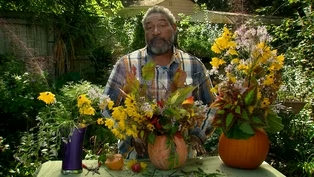
(rhythmic music) >>When you start seeing pumpkins everywhere, you know that the fall season has begun.
If you're planning on having parties or just like having fall decorations around, why not use your pumpkins as part of a centerpiece for your table?
So what I have here is a nice pumpkin that I've picked up.
I have already pre-cleaned this.
All you got to do is whatever vessel that you use, make sure that it will fit inside of the pumpkin.
Using the top, measure out how much of a hole you need to cut in the top.
Go ahead and cut the hole and clean out the inside.
I've got a glass here and it fits nicely inside.
You can't see it.
And then go around the garden, see what else is blooming.
Or if it's not, look for dried seed heads.
They also make great items for flower arrangements.
So here I've got these guys that was blooming nicely.
I'm going to clean off the bottom stems here just so it fits nicely in the glass.
We'll just place that inside.
So we'll put a couple of these guys in.
And then aster, this is one of my giant asters that is looking really nice right now.
So again, cleaning off some of these bottom leaves.
I am able to just work these in.
Some of your annuals, why not go ahead and use them before the frost hit them and enjoy them for a little while longer?
Got beautyberry.
Now this is the Japanese beautyberry, but the nice color and texture looks nice in flower arrangements.
We can just let that drape out.
Again, another annual.
This is a coleus.
Look for branches.
Dogwoods are starting to show some fall color now.
Now you can see how everything is starting to really fill out.
Now let's try to work in some of this grasses.
This is Muhlenbergia.
Now the blue mist flower is starting to fade a little bit, but the brown color and the purple still looks nice in a fall arrangement.
And then how about oakleaf hydrangea?
Again, the blooms are faded, but the nice brown color really works.
And I went around and you can too, add in some branches.
Spray paint can work miracles.
So I painted these ones black for the arrangement.
I think I'm going to add another dogwoods down over on this side just to fill in this section here.
It's not too bad.
So there you go.
So if you've got a holiday party or anything, go ahead and use your pumpkins.
And if you want to try to keep the pumpkins longer, try to keep them in a cool area when it's not in use.
Go ahead and give it a try.
Make a flower arrangement inside of a pumpkin.
>>From cool season crops to pumpkins and gourds, there are many ways to celebrate the fall garden and a fun floral arrangement can show off the beauty of the season, too.
To enjoy such bounty next fall, remember to plant in August.
So Chris, we've just got a few moments left and tell me what's happening in your garden.
>>Well, I was just gifted some Maypops or- >>Oh.
>>Passion flower.
>>Yes.
>>Passion fruit.
>>Yes.
>>It's been on my wishlist for a while.
And I mean, fall is the perfect time to start getting those long-term perennials in the ground.
>>Yes.
>>They set their roots and they pop up in the spring.
I'm so excited.
>>Yes, and you'll enjoy those flowers for decorating those cakes.
>>Oh, all of it.
>>Yeah.
>>Every part.
>>Yes.
Well, I just sowed some seeds two weeks ago and they're already up because the soil is so warm.
>>Mm-hmm.
>>But I then, because of the cool weather, I covered them, but I've got lettuce coming on again.
I've already got carrots and broccoli and all that, but I've got some things that I'm just going to roll the dice because we've got a predicted warmer season ahead of us.
>>Absolutely.
I mean, I got cover crops going.
>>Mm-hmm.
>>There's one bed that I had buckwheat in and the buckwheat just keeps on coming.
>>Yeah.
>>But you know, the Austrian peas, the oats, just to give some of those beds a rest after growing so hard this season.
>>Truly, truly.
I've got actually a little bit of clover in some of mine.
>>Ooh!
>>I try to do that.
But what I don't cover crop, I use leaf debris and I cover them with leaves.
So I make sure everything has a cover to it.
I don't have any exposed soil.
Yeah.
And then of course, I do do season extenders.
I'm sure you might, too, but my broccoli, they can take it till 24 degrees, but after that it gets a little chilly.
And I actually get broccoli into January and February so.
>>We plant our brassicas in the fall, mostly with the planned over winter.
I've very rarely hit the timing correct to have a fall harvest, but sometimes we harvest in January.
>>And you know, it's so fun to go out there and get some fresh vegetables out of the garden in January.
People just don't understand that garden in August when it's so hot and miserable and it looks really poor and we're all tired.
>>Hmm.
>>Go get those vegetables, put them in because you've got a whole 'nother season to enjoy out in that garden.
>>Absolutely.
>>What are the things that you'd like to try that you've never tried?
>>Oh, I mean, doing those season extenders, we actually don't have any.
And it's something that is a hurdle in my mind, though I think as we get a little bit more complex in the garden, it might be our move.
>>Oh, they're so simple.
I just take simple old PVC pipe that I've picked up.
>>Mm-hmm.
>>Make a hoop, and then I buy, I purchase the different weights of the fabric.
>>Ah.
>>There's a spring, there's a summer, and then there's a fall.
It's called the blanket.
>>Okay.
>>A fall blanket.
>>It sounds so scary.
>>It's not scary at all.
>>Okay.
>>I just make sure I don't get too heavy of a winter blanket 'cause then it impedes the sunlight coming through.
>>Oh, that makes sense.
>>So yeah, I get a 1.5 millimeter thick blanket.
>>Mm-hmm.
>>And then 'cause of the hoops, it's not laying on the plant itself.
Hmm, and that works for your carrots and your lettuces and things?
>>Perfectly, yes.
>>Wow.
>>It keeps everybody... It actually gets warmer when you lift it.
You can feel the warmth and the humidity hit you.
Not like a greenhouse, but close.
So it's really exciting to be able to try some new things.
You should give it a try.
>>I absolutely should.
>>That's what this show is all about, trying new things.
>>Yeah, we got the grow lights in the basement, but we're able to grow pansies outside- >>Yes.
>>Because they'll still bloom.
They get snowed on, they're perfect.
And then we'll also grow some inside underneath the grow lights just to cover our cake butts.
>>Sounds great.
Well, we're out of time, Chris, and I want to thank you for being here today.
>>Oh, thank you.
>>Yes.
And thanks to all of our guests today, and thank you for watching.
You know, well, our season is coming to a close, but that doesn't mean the end of the growing and gardening for this year.
And remember that you can stay connected with me and the team by signing up for the monthly newsletter on our website, vpm.org/vhg.
And you can send us your gardening questions through the winter using our website or on Facebook.
And while you're on Facebook, check out the new baking and bloom tip from Chris.
And we'll be back next spring with an exciting update for our studio.
Come on, so let's come take a peek.
(bright music) Our new home is ready to move in, and I look forward to being with you here for the next growing season.
Until then, remember, gardening is for everyone, and we are all growing and learning together.
Happy gardening.
(bright music) >>Production funding for "Virginia Home Grown" is made possible by... Strange's Florist, Greenhouses, and Garden Centers, serving Richmond for over 90 years.
With two florist shops, two greenhouses, and a garden center located throughout the Metro Richmond area.
Strange's, every blooming time.
And by Sally R. Youngs in honor of the Grateful Deadheaders Resident Interest Group.
And by... (birds chirping) (bright and relaxing music) (bright and relaxing music continues) (bright and relaxing music continues) (bright and relaxing music continues) (bright and relaxing music fading) (corporate jingle)
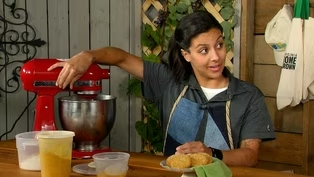 New
Video has Closed Captions
Clip: S26 Ep8 | 5m 41s | Get tips for packing pumpkin flavor into your fall treats! (5m 41s)
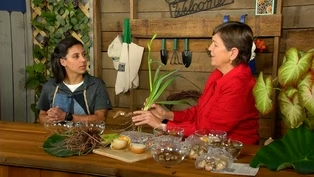 New
Video has Closed Captions
Clip: S26 Ep8 | 6m 52s | Learn the differences in bulbs, tubers and corms! (6m 52s)
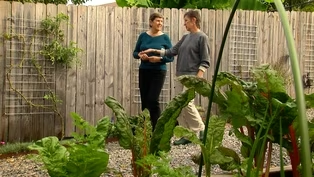 New
Video has Closed Captions
Clip: S26 Ep8 | 7m 41s | Explore a home garden in Richmond for practical tips on growing vegetables in the fall! (7m 41s)
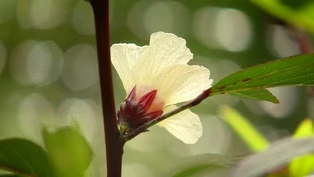 New
Harvesting Hibiscus & Lemongrass
Video has Closed Captions
Clip: S26 Ep8 | 3m 51s | Get tips for harvesting and storing fall produce from your garden! (3m 51s)
 New
How to Make a Fall Flower Arrangement
Video has Closed Captions
Clip: S26 Ep8 | 3m 27s | Make a unique fall centerpiece inside a pumpkin! (3m 27s)
 New
Video has Closed Captions
Clip: S26 Ep8 | 7m 28s | Discover the huge variety of pumpkins and other fall gourds available to growers today! (7m 28s)
Providing Support for PBS.org
Learn Moreabout PBS online sponsorship










Support for PBS provided by:
Virginia Home Grown is a local public television program presented by VPM